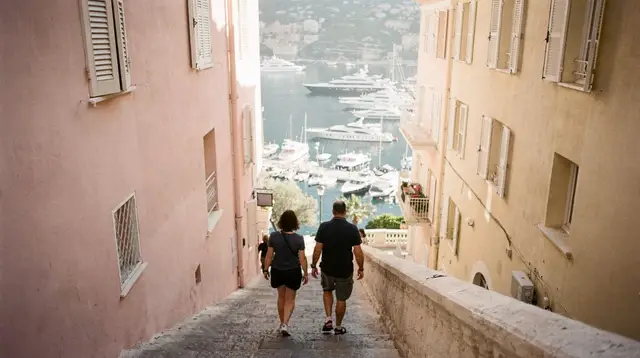
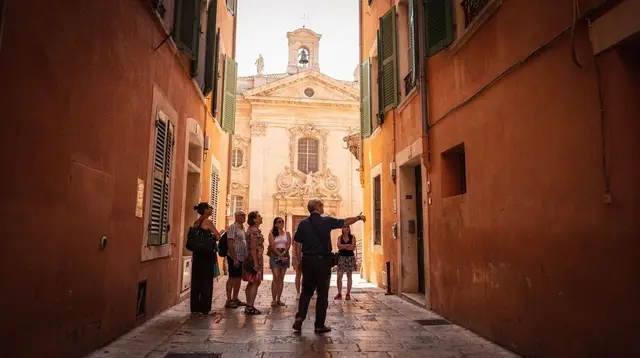
Wine and food tours around Saint-Paul-de-Vence
What is a wine and food tour around Saint-Paul-de-Vence actually like?
Most tours combine one or two tastings in the Bellet or wider Provence vineyards with a stop in Saint-Paul-de-Vence for lunch or a walk, usually a half day from Nice. Expect two to four wines per stop, a short explanation from the grower or guide, and a village visit timed outside the 11am to 4pm crush.
Wine first, village second
Saint-Paul-de-Vence gets covered elsewhere for its ramparts, its galleries and the Fondation Maeght. This page is about what fills the glass and the plate on the way there. The honest starting point: the village itself grows no grapes. The wine comes from the Bellet appellation inside Nice’s own city limits, or from estates further into Provence, and Saint-Paul-de-Vence is where the tasting trip stops for lunch, a walk through the lanes, or both. Framed that way, a half day makes sense: one or two tastings, then the village, timed so the crowd has thinned.
Bellet: the wine growing inside Nice
Bellet is one of France’s smallest appellations, planted on terraced hillsides a short drive above Nice, overlooking the Var valley. The reds lean on Braquet and Folle Noire, two grape varieties grown almost nowhere else; the whites use Rolle, the same grape known as Vermentino across the Italian border. Total production is small enough that most bottles stay on the Riviera — restaurants in Nice pour it, but it rarely turns up in shops elsewhere in France, which is the real reason to taste it on site rather than hope to find it later.
A Bellet tasting is usually two to four wines, poured at the estate by the grower or a guide, sometimes with a plate of local cheese or charcuterie alongside. It is not a large operation with a visitor centre; expect a working vineyard, a modest tasting room, and a conversation about the hillside and the grapes rather than a polished show.
Provence wine beyond Bellet
Tours that range further into Provence — toward the hills behind Grasse or west toward the Var countryside — pour rosé and red from larger, better-known Provence appellations. These estates are set up for visitors more often than Bellet’s small producers, with proper tasting rooms and sometimes a vineyard walk included. A full-day itinerary combining a Provence estate with the village works better if you want two distinct tastings rather than one; a half day realistically fits one estate plus Saint-Paul-de-Vence.
| Tour length | Typical stops | Best for |
|---|---|---|
| Half day (about 4 hours) | One estate + Saint-Paul-de-Vence | A single focused tasting, less driving |
| Full day (about 7-8 hours) | Two estates, or one estate + Grasse + the village | Comparing wines, a fuller day out |
| Private tour | Customisable, driver-guide | Flexible timing, dietary needs, small groups |
When to go: season and weather
The French Riviera’s Mediterranean climate shapes this trip as much as the tour operator’s schedule does. Summer, from June to September, is hot and dry, and it is also when the village is at its most crowded and the vineyards are at their busiest with visitors — the 11am to 4pm crush described above is a summer phenomenon above all. Winters on the coast are mild, often 12 to 15°C on a sunny afternoon, and the village empties out, though some smaller estates cut back their tasting hours outside the main season, so it is worth confirming an opening slot before counting on a winter visit.
Spring and early autumn are the best compromise: the vines are green or turning, the village lanes are walkable without queuing, and the coast is warm enough for the drive to feel like an outing rather than an errand. October and November bring a real risk of intense, sudden rainstorms typical of the Mediterranean autumn, so a wine day scheduled in that window benefits from some flexibility on the date. For a broader read on how the seasons play out across the whole Riviera, see the best time to visit Nice, or the season-specific guides to visiting in summer and visiting in winter.
Getting the timing right in the village
Saint-Paul-de-Vence has one main street, and it fills with coach groups and day-trippers from the coast between roughly 11am and 4pm in summer. A wine tour that plans the village stop for lunch works better than one that arrives at midday hoping to squeeze in both the tasting and the walk — you end up queuing for a table and shuffling through a crowded lane rather than actually tasting anything slowly. Ask, when booking, whether the itinerary visits the estate first and the village second, or the reverse; either order works, but arriving in the village before 11am or after 4pm makes the lunch and the walk far more pleasant.
Lunch itself is not always included. Some operators build in a seated meal or a tasting plate at the wine estate; others leave the village stop as free time, so you pick a restaurant yourself once there. Read the tour description rather than assuming — a “wine and food tour” title does not guarantee a sit-down meal is part of the price.
What a typical half-day tasting itinerary looks like
- Pickup from Nice, a short drive to a Bellet estate on the hills above the city.
- A tasting of two to four wines, with an explanation of the appellation and its grapes.
- A drive to Saint-Paul-de-Vence, arriving in the late morning or after the afternoon lull.
- Free time or a guided walk through the ramparts and lanes, plus lunch (included or on your own).
- Return to Nice by mid to late afternoon.
Full-day versions add a second wine stop, sometimes further into Provence, or combine the village with a short detour toward Grasse — though for perfume houses specifically, a dedicated Grasse tour makes better use of the time than trying to fit wine, lunch and a factory visit into one afternoon.
Why go with a guide rather than drive yourself
Public transport does not connect the Bellet hillsides, Saint-Paul-de-Vence and Nice in any convenient way — you would be looking at multiple buses and long gaps between them. Driving is the obvious alternative, except that tasting several wines and then driving back down a hillside road is not a sensible plan. A shared minivan or a private driver-guide removes that problem entirely: someone else handles the roads while you taste, and the itinerary is built around the timing that actually avoids the village crowds rather than around a fixed bus schedule.
a half-day tour from Nice combining a Bellet wine tasting with time in Saint-Paul-de-Vence covers the basic version of this pairing. For a shorter, more focused option, this half-day wine tasting trip built around the village keeps the driving to a minimum. Travellers starting from the west can look at a wine tasting tour from Nice that also picks up in Antibes, useful if you are staying along that stretch of coast. For a private, unhurried pace, a private guided tour of Saint-Paul-de-Vence with a local driver-guide lets you set your own tasting and lunch timing rather than following a fixed group schedule.
Doing it yourself instead of booking a tour
Driving is the obvious do-it-yourself alternative to a guided minivan, and it works well for the outbound leg — the issue, as covered above, is the return after tasting. If you do decide to self-drive part of the day, for example dropping a non-drinking passenger at the wheel or splitting the trip into a village visit one day and a tasting on another, the driving and parking in Nice guide and the renting a car on the French Riviera guide cover the practical side. For a wider view of how buses, trains and trams fit together on this stretch of coast without a car at all, getting around the French Riviera is the place to start, though as noted above, that option does not really extend to the Bellet hillsides.
What else to eat while you’re on this route
A wine tasting built around cheese or charcuterie plates is only part of the Riviera’s food story, and pairing this trip with a proper meal in Nice before or after makes the day feel more complete. Socca and Niçois street food covers the dishes worth seeking out in Nice itself, and what is a real salade niçoise settles a debate that comes up often among visitors. For a fuller sense of the region’s food scene beyond this one wine-and-village pairing, the Nice food guide to what to eat rounds up the essentials.
Planning notes
Prices for these tours generally run in the mid to upper double digits per person for a half day, more for a full day with two tastings or a private vehicle; treat any figure as a rough range rather than a fixed number and check the current price when booking. Wear comfortable shoes for the village’s cobbled lanes, and note that most estates expect a booked slot rather than walk-in visitors, so a tour that has already arranged the tasting saves a wasted trip.
If wine is the main interest and the village is secondary, pair this page with the fuller Bellet and Provence wine guide. If the village and its art are the main interest and wine is secondary, the Saint-Paul-de-Vence day trip guide covers the ramparts, the Fondation Maeght and the walking route in more detail. For nearby perched villages worth comparing, see Èze versus Saint-Paul-de-Vence and the wider list of best perched villages on the French Riviera. Riviera-wide food and wine options beyond this village are gathered in the Nice food tours and wine tastings guide, and general trip planning starts at the day trips from Nice hub or the destinations page for Saint-Paul-de-Vence itself.
Frequently asked questions about wine and food tours near Saint-Paul-de-Vence
Is Saint-Paul-de-Vence known for wine, or is the wine elsewhere?
The village itself has no vineyards. Tastings happen at estates in the Bellet appellation near Nice or in the wider Provence wine country, and the village is added on as the food and sightseeing stop, usually before or after the tasting.
What is Bellet wine and why does it matter here?
Bellet is the small appellation inside the city limits of Nice, covering red, white and rosé from grape varieties barely grown anywhere else in France. Production is tiny, so most bottles are sold locally and rarely reach shops outside the Riviera, which is part of why a tasting on site is worth the detour.
How many wines do you actually taste?
Typically two to four pours per estate, sometimes with a cheese or charcuterie plate alongside. A half-day tour with one stop pours less than a full-day tour visiting two estates, so check the itinerary before booking if tasting volume matters to you.
When should I visit Saint-Paul-de-Vence to avoid the crowds?
Before 11am or after 4pm in summer. Coach groups and day-trippers from the coast fill the single main street from late morning through mid-afternoon between June and September, and a tour that times the village stop around lunch rather than midday works better for both the meal and the walk.
Do these tours also cover Grasse’s perfume houses?
Some combined itineraries add a short Grasse stop, but that is a detour from the wine-and-food focus. If perfume workshops are the priority, a dedicated Grasse tour makes better use of the day than an itinerary trying to fit in wine, food and perfume in one afternoon.
Is lunch included on these tours?
It varies by operator. Some include a seated meal or a tasting plate with the wine, others leave lunch as free time in the village so you choose where to eat. Read the tour description rather than assuming a meal is included.
Can I do this without a car?
Yes, that is the main reason to book a guided tour rather than drive yourself. Saint-Paul-de-Vence and the Bellet vineyards are awkward to combine by public transport, and driving after tasting several wines is not a good plan, so a shared minivan or private driver handles both legs.
Food and wine tastings across the Riviera
Verified deep-linked GetYourGuide tours. Book through these links and we earn a small commission at no cost to you.
GetYourGuide does not provide a product photo for this activity — the image shows the meeting point, photographed by us.