The French Riviera in summer: what to expect
What is summer like on the French Riviera?
June to September is hot and dry, with the sea around 24-26°C in August. July and August bring the biggest crowds and highest prices of the year, especially in Nice, Cannes, Monaco and the perched villages. Arriving early in the day and building in altitude or water breaks are the two habits that make the season workable.
How the coast behaves from June to September
Summer on the French Riviera is not one season, it is a slow build and a hard peak. June is warm and manageable. By mid-July the whole coast, from Menton to Cannes, is running at capacity, and it stays that way until late August. This page is about that stretch as a whole, not about a single month or a single town: it is the pattern to plan around whether you are based in Nice, staying near Antibes, or splitting a week across the eastern and western Riviera.
The short version: expect heat, expect a warm sea, expect the biggest crowds and the highest prices of the year, and expect the coast’s popular villages to feel genuinely saturated in the middle of the day. None of that makes summer a bad time to come. It makes it a season that rewards an early alarm clock more than any other time of year.
The heat, honestly
July and August bring daytime highs that regularly sit at 28-30°C along the coast, sometimes higher during a heatwave, with humidity that makes the air feel heavier than the number suggests. Nights offer limited relief in August; the sea and the stone of old towns like Vieux-Nice or Cannes’ Le Suquet hold warmth well after sunset. Météo-France issues heat-alert vigilance during the worst spells, and it is worth checking before a day that involves a lot of walking, a hike, or time in a car without air conditioning.
The heat is not evenly distributed. The coast itself, from the Promenade des Anglais to La Croisette, is the hottest and most humid stretch. A few kilometres inland or a few hundred metres up, conditions change quickly. The perched villages of the Mercantour hinterland and the Vésubie and Roya valleys run noticeably cooler, and altitude towns can feel like a different season entirely on a scorching coastal afternoon. That contrast is one of the Riviera’s genuine summer assets: a hot morning at sea level does not have to mean a hot whole day.
The sea: when it is actually warm
Water temperature climbs steadily from June onward. Early summer swimmers find the Mediterranean cool but comfortable; by August it typically sits around 24-26°C, warm enough for long swims without much acclimatisation. This is the best-swimming stretch of the calendar by a clear margin, and it is one of the strongest reasons people accept the crowds and the prices that come with it.
Nice’s beaches are pebble, not sand, along the whole length of the Promenade des Anglais, so water shoes are worth packing regardless of the month; the pebbles do not change with the season, only the number of people lying on them does. Sandier stretches around Antibes, Juan-les-Pins and parts of Cannes fill early on hot days, and private beach clubs with sunbeds and parasols do brisk business from July onward, at a price, alongside free public sections that get crowded but cost nothing.
Crowds: where and when it actually bites
Crowding on the Riviera in summer is not uniform through the day. Mornings before 10am are workable almost everywhere. The bottleneck is the middle of the day: from around 11am to 4pm, the coast’s smaller, prettiest, most photographed spots reach a point where the experience changes for the worse. Parking disappears, narrow streets become slow-moving queues, and viewpoints fill with people waiting for their own moment at the railing.
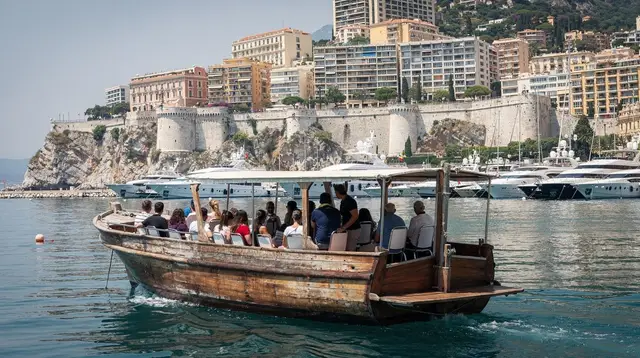
Saint-Paul-de-Vence, Èze and Monaco are the three places where this is most predictable. All three sit on tight footprints, all three draw both independent travellers and coach groups, and all three are easiest before 10:30am or after 5pm. Arriving early is not a nice-to-have here, it changes the visit: a village that feels charming at 9am can feel like a bottleneck by noon.
Nice itself absorbs crowds a little better simply because it is a real city with a large old town and long seafront, but Vieux-Nice’s narrow lanes and Cours Saleya still get genuinely packed at midday in August, and the Colline du Château draws long queues for its viewpoint on the hottest afternoons. Cannes sees its own version on La Croisette and around the Palais des Festivals, worse again if a major event overlaps with your visit, though this page is not the place for event dates.
A rough guide to how the day fills up:
| Time of day | What to expect in peak season |
|---|---|
| Before 9am | Quiet streets, easy parking, cool air |
| 9am-11am | Building steadily, still manageable |
| 11am-4pm | Saturation in small villages and old towns; heat at its worst |
| 4pm-7pm | Crowds thinning, temperatures easing |
| Evening | Comfortable, popular for dinner and the seafront |
Prices: the coast’s highest of the year
July and August carry the Riviera’s highest prices across the board: hotels, boat tours, car rental, and many restaurants. Popular excursions, from Riviera-wide day tours to boat trips around the Lérins Islands, routinely need booking days or weeks ahead in high season, not because operators are exaggerating demand but because capacity is genuinely limited on a coast with narrow roads and small harbours.
Anyone building a summer budget should expect to pay noticeably more than the same trip in May or October, and should plan bookings early rather than assuming availability will still be there on arrival. The French Riviera on a budget guide covers ways to soften this; the point here is simply that summer is the season where the gap between planning ahead and improvising costs the most, in money and in missed availability.
For travellers who want to cover a lot of the coast in a single day without juggling trains and parking themselves, a guided full-day option such as the French Riviera in one day from Nice tour is one way to see several towns while someone else handles the logistics of a hot, busy day.
What actually works in this season
The most useful habit for a Riviera summer is splitting the day around the heat and the crowds rather than fighting through the middle of it. A coastal morning, an inland or altitude afternoon, and a coastal evening is a pattern that keeps working through July and August when a single long coastal day starts to feel like an endurance test.
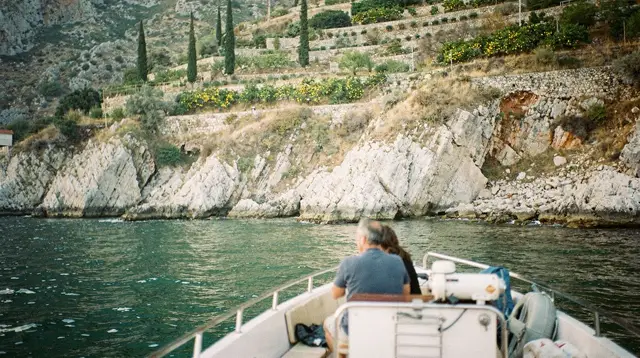
Water-based activity is the obvious fit for the season: swimming, of course, but also boat trips that put a breeze between you and the heat. A half-day out on the water, whether a relaxed cruise or something more active, is markedly more comfortable than the same hours spent walking stone streets at midday. A option like the private boat tour with a chef-prepared aperitivo turns the hottest part of the day into the most pleasant part of the trip rather than the part to survive.
Altitude is the other lever. The Mercantour hinterland and the region’s higher villages run cooler than the coast for the same reason mountain regions always do, and a change of scenery from beach towns to alpine slopes breaks up a week that would otherwise be all sea and stone. Travellers who want to combine the two rather than choose can look at something like a scenic mountain horseback ride from the French Riviera, which trades the coastal heat for open air and a slower pace for an afternoon.
The sea itself is not only for swimming. Wildlife-watching trips into open water, such as a tour of the Pelagos Sanctuary, run through the warmer months and give a genuinely different view of the coast, further from the crowds that build up on land.
None of these activities are unique to summer, and each has its own dedicated guide with fuller detail on routes, prices and operators; the point of raising them here is that summer specifically rewards getting off the crowded coastal strip for part of the day, not that any one of them is the single answer.
Getting around in summer
Traffic on the coast road gets markedly worse from June through August, and parking in Vieux-Nice, La Croisette or the tight streets of Èze and Saint-Paul-de-Vence becomes one of the season’s real frustrations rather than a minor inconvenience. The Nice tram guide and the broader driving and parking in Nice guide both cover ways around this, but the short version for summer is to lean on public transport and trains wherever the itinerary allows it, rather than assuming a rental car will save time on a busy August afternoon.
The coastal TER train that links Menton, Monaco, Beaulieu-sur-Mer, Villefranche-sur-Mer, Nice, Antibes and Cannes is one of the more reliable ways to move along the Riviera on a hot, crowded day, since it sidesteps both parking and the coast road’s summer traffic; the French Riviera by train guide sets out routes and stops in more detail. Nice’s own tram, lines 2 and 3, links Nice Côte d’Azur airport to the city centre and the port, and is worth building into a plan that starts or ends at the airport rather than a taxi queue in August heat. For a wider view of trains, buses and boats across the whole coast, the getting around the French Riviera guide brings it together in one place.
Packing and practical basics for the heat
A Riviera summer is unforgiving to anyone who packs for a mild European city break. Light, breathable clothing, a proper sun hat, a reusable water bottle and strong sunscreen are less optional here than in most destinations, since the combination of sun exposure and long days outdoors adds up quickly; the what to pack for the French Riviera guide has a fuller list geared to the season. Water shoes are worth adding specifically for Nice’s pebble beaches, and a light layer for the evening still earns its place in a bag even in August, once the sun drops and a breeze picks up along the Promenade des Anglais.
Prices are not the only thing to watch in a crowded high season: popular waterfront areas draw the coast’s small number of scams and overpriced informal stalls, and the common scams in Nice and on the Riviera guide is worth a quick read before a first visit. Restaurant etiquette is simpler than the crowds might suggest: service is included in the bill everywhere in France, and a tip is a genuine extra rather than an expectation. The tipping and restaurant etiquette guide covers this and a few other everyday habits worth knowing before a first summer trip on the coast.
June and September: the same coast, softer edges
Late June and early September deliver most of what makes Riviera summer appealing, warm sea, long daylight, a full calendar of boat trips and outdoor activity, without quite reaching the saturation or the prices of July and August. The sea is a touch cooler than its August peak but still comfortable for swimming, the villages are busy but not gridlocked at midday, and accommodation is easier to book without months of lead time.
This is not the place to promise a precise crossover date, since it shifts a little year to year with the school calendar and the weather, but travellers who can shift a trip even by two or three weeks either side of the July-August core tend to notice the difference immediately, in both comfort and cost. The best time to visit Nice guide goes into month-by-month detail if narrowing down a date matters to your plan.
A few honest cautions
Do not expect a quiet Riviera in July or August: this is the coast’s busiest, most expensive season, and no itinerary avoids that entirely. Do not expect the sea to be at its warmest in June, it builds through the summer and peaks in August. Do not assume you can turn up to Èze, Saint-Paul-de-Vence or Monaco at noon and park easily, that plan fails on most summer days. And do not treat a single hot, crowded midday hour as the whole story of the Riviera in summer: the same coast at 8am, or from the deck of a boat, or a thousand metres up in the Mercantour, is a genuinely different and often better experience.
Summer on the French Riviera: common questions
Is the French Riviera too crowded in summer?
The coast is busy from mid-June through August, with July and August the peak. Vieux-Nice, La Croisette, Èze and Saint-Paul-de-Vence feel saturated by mid-morning. Early starts and weekday visits ease this considerably.
How hot does it get on the French Riviera in summer?
Daytime highs often reach 28-30°C from July to September, with the sea around 24-26°C in August. Heatwaves happen and Météo-France issues heat alerts; the coast rarely cools much overnight in August.
When is the sea warmest for swimming?
The Mediterranean is at its warmest in August, typically 24-26°C, after months of summer sun. June and early July are cooler but already comfortable for most swimmers.
What time should I visit Èze, Monaco or Saint-Paul-de-Vence in summer?
Aim to arrive before 10:30am or after 5pm. These sites are consistently saturated between 11am and 4pm in July and August, with queues for parking, narrow streets and viewpoints.
Are hotels and restaurants much more expensive in summer?
Yes. July and August carry the highest accommodation and boat-tour prices of the year on the whole coast, from Menton to Cannes. Many restaurants and popular tours require booking days or weeks ahead.
Is it worth visiting the French Riviera in summer at all?
It depends on what you want. Summer delivers the warmest sea, the longest days and the fullest calendar of outdoor activity, at the cost of heat, crowds and the year’s highest prices. Late June, early July or September soften all three without losing much sun.
What can I do to escape the coastal heat?
The Mercantour hinterland and the perched villages sit noticeably cooler than the coast, often several degrees down and with more shade. A half-day inland, combined with an early coastal morning, is a common way locals and repeat visitors handle a July or August stay.
Seasonal advice for visiting Nice and the Riviera
Verified deep-linked GetYourGuide tours. Book through these links and we earn a small commission at no cost to you.
GetYourGuide does not provide a product photo for this activity — the image shows the meeting point, photographed by us.