Where to stay in Nice: comparing the city's neighbourhoods
Which neighbourhood should I choose to stay in Nice?
Vieux-Nice suits visitors who want to walk everywhere and don't mind evening noise. The Promenade des Anglais and Place Masséna area gives direct beach and tram access but costs more. Cimiez is quiet and residential but a walk or tram ride from the centre. Port Lympia suits a slower, harbour-side stay near the boats to Corsica.
Four neighbourhoods, four different trips
Nice is compact enough that almost anywhere puts you within reach of the sea, but the four areas visitors actually book into feel like different towns. Vieux-Nice is dense, loud after dark, and a five-minute walk from the market. The stretch along the Promenade des Anglais and around Place Masséna is flatter, more built-up with hotels, and sits on the tram line. Cimiez, up the hill, is residential and quiet, built around the Musée Matisse and Roman ruins. Port Lympia, the harbour east of the old town, has a working-port feel and is where the Corsica ferries and many boat excursions leave from. This page compares the four on one thing only — how far you’ll walk or ride to reach the places most visitors want to see — and leaves how many days to spend in Nice, and day trips to Monaco, Cannes or the perched villages, to their own guides.
Vieux-Nice: ruelles, nightlife, and the market at your door
Staying in Vieux-Nice means narrow ochre-façaded streets, baroque churches, socca stalls, and the Cours Saleya flower and produce market right outside, open every morning except Monday (when it becomes a brocante). It’s the most walkable base in the city: the Colline du Château is a short climb at one end, Place Masséna and the Promenade du Paillon are a few minutes’ walk at the other, and the Promenade des Anglais is reachable on foot in under ten minutes from most addresses in the old town.
The trade-off is noise. Bars around Rue de la Préfecture and the streets nearest Cours Saleya stay busy well into the night, especially from June to September. An apartment on an upper floor, or one street back from the main bar cluster, keeps the walkability without the worst of the late-night sound. Vieux-Nice also has no beach of its own directly below it — the closest pebble beach is a short walk east along the water toward Port Lympia or west past the Jardin Albert 1er.
Vieux-Nice suits visitors prioritising atmosphere and walking distance over quiet nights: a base for exploring the old town on foot, eating at small family-run tables, and being close to the market at Cours Saleya without needing transport. For a first orientation to the ruelles and where they lead, a guided walk removes the guesswork.
a guided food walk through Vieux-Nice’s markets and socca stallsPromenade des Anglais and Masséna: the tram and the beach
This is the most built-up tourist area: hotels lining the sea from the airport end to Place Masséna, department stores and chain restaurants around the square, and direct access to the pebble beach along the entire length of the Promenade des Anglais. It’s also the area best served by public transport — tramway lines 2 and 3 run along or near the Promenade, connecting straight to Vieux-Nice, the station at Nice-Ville, and the airport in one direction.
For anyone without a car, staying here removes a lot of walking: the tram puts Cimiez, the airport, and the port within a few stops, and the beach is literally across the road. It’s also the most expensive of the four areas, particularly for rooms with a sea view, and the busiest — the flat, wide Promenade draws joggers, cyclists on the dedicated lane, and crowds heading to the beach clubs from late morning onward in summer.
Families often gravitate here for the flat, stroller-friendly ground and tram access, but it’s worth repeating: the beach along the Promenade is pebble, not sand, the same as everywhere else in Nice. Water shoes make a real difference for kids, and private beach clubs rent mats and sunbeds if the stones underfoot aren’t for you. For a longer look at what to expect from the shoreline itself, see the pebble beach guide before you pack.
Cimiez: quiet, residential, and a walk from everything
Cimiez sits on a hill above the centre, and it reads that way — leafy streets, belle-époque apartment buildings, and a noticeably calmer pace than the seafront or the old town. It’s built around the Musée Matisse, the Roman arena and archaeological site, and a Franciscan monastery, and it tends to attract visitors who want a residential feel over a tourist strip.
The honest trade-off is distance: Cimiez is a genuine uphill walk from Vieux-Nice or the Promenade, not a stroll you’d want to do twice a day in summer heat. Most visitors staying here use the tram or bus rather than walking down to the centre each morning. That makes Cimiez a reasonable choice if you plan to spend real time at the Matisse and Chagall museums and don’t mind a transit ride to reach the market or the beach, but a poor choice if your priority is stepping outside into the action.
Cimiez tends to run cheaper than beachfront addresses, and it’s a quiet place to sleep — worth weighing against how much walking-distance convenience matters to your particular trip.
Port Lympia: harbour life and boat departures
East of the Colline du Château, Port Lympia has a different rhythm again: working boats, pastel-coloured harbourside buildings, and the departure point for ferries to Corsica and a number of sea excursions. It’s connected to Vieux-Nice by a walkable path along the water or over the hill past the château ruins, so it isn’t isolated, but it feels distinctly less touristy — more neighbourhood cafés, fewer souvenir shops.
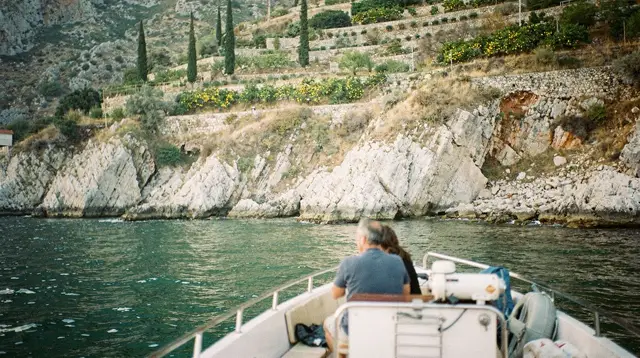
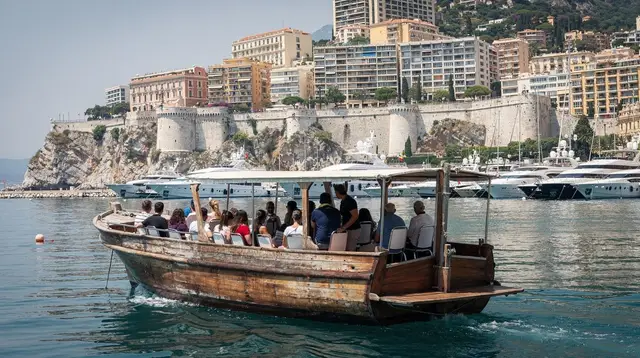
For anyone booking multiple boat trips — along the coast, out toward the islands, or simply enjoying being near working harbour life — staying near Port Lympia cuts out an early tram or taxi ride on excursion mornings. It’s also generally cheaper than the seafront hotels around Masséna. The compromise is that it sits further from the Promenade des Anglais and from Cimiez, so if your days will be split between museums up the hill and beach time along the Promenade, Port Lympia adds walking or transit time on both ends.
a stand-up paddle and snorkelling outing near the harbourComparing the four at a glance
| Neighbourhood | Feel | Walk to Vieux-Nice | Walk to a beach | Tram access | Typical price level |
|---|---|---|---|---|---|
| Vieux-Nice | Dense, lively, market at the door | On foot already | Short walk east or west | Nearby stops | Mid to high |
| Promenade / Masséna | Touristy, built-up, seafront | A few minutes | Direct, across the road | On the line | High |
| Cimiez | Quiet, residential, hillside | Uphill walk | Tram or bus ride | On the line | Mid |
| Port Lympia | Harbour, local, boat departures | Short walk over or around the hill | Short walk | Nearby stops | Mid |
Distances here are relative, not timed promises — actual walking time depends on exactly which street you’re on within each area, so treat the table as a starting point for narrowing down, not a substitute for checking the specific address of a booking.
Pebble beaches change the calculus for families
It’s worth stating plainly, because it surprises a lot of first-time visitors: every beach along the Promenade des Anglais, and most of Nice’s shoreline, is pebble, not sand. That doesn’t rule out a beachfront stay, but it changes what “close to the beach” actually buys you. Sandy stretches exist further along the coast toward Juan-les-Pins and Cannes, or in pockets at Villefranche, but not in Nice itself.
For a family choosing between Promenade/Masséna and one of the other three areas, this matters more than it might for a couple. Direct beach access is still convenient for towels, quick dips, and not hauling gear far, but it won’t deliver soft sand for younger kids to dig in. Packing water shoes and checking whether a private beach club nearby rents mats is a more useful plan than assuming a sandy stretch on arrival. The family activities guide and the Nice with kids guide go further into what actually works well for younger visitors.
Getting between the neighbourhoods
None of these four areas is isolated from the others — Nice is small enough that a full loop is realistic in a day — but how you connect them differs by neighbourhood. Vieux-Nice, Port Lympia and the Promenade/Masséna stretch are all within walking distance of each other along mostly flat ground near the water. Cimiez is the outlier: reaching it comfortably from any of the other three generally means the tram or a bus rather than a flat walk. The airport sits at the western end of the Promenade line, so a hotel near Masséna or the western Promenade can mean a shorter tram ride in from Nice Côte d’Azur airport (NCE) than a stay in Cimiez or Port Lympia. For the mechanics of the tram lines and how they link these areas, see the tram guide and airport to city centre guide.
a small-group orientation tour that covers the city’s main districtsFor a wider view over how the neighbourhoods sit against the coastline and the hills behind the city, a short flight over Nice on arrival or departure day gives a useful sense of the layout before or after exploring on foot.
a shared helicopter flight over Nice and the coastlineWhich neighbourhood fits your trip
There’s no single correct answer here — it depends on what a stay is actually for. A short first visit built around walking everywhere and eating well favours Vieux-Nice, with the caveat of noise on the busiest streets. A stay built around the beach, the tram, and minimal walking to major sights favours Promenade des Anglais / Masséna, at a higher price and in the thick of the crowds. A quieter, more residential stay centred on the Musée Matisse and slower mornings favours Cimiez, traded against distance from the centre.
A stay built around boat trips, the Corsica ferry, or simply wanting fewer tourists on the doorstep favours Port Lympia. None of the four is objectively best; matching the trade-off to how you’ll actually spend your days is what makes the choice work. For help sequencing what to see once you’ve picked a base, the first-time visitor guide and the one-day and two-day itineraries lay out a realistic order of stops, and the museums and attractions guide covers ticketing for the Matisse and Chagall collections if Cimiez is on the list.
Questions about where to stay in Nice
Is Vieux-Nice too noisy to sleep in?
Some streets around Cours Saleya and Rue de la Préfecture stay lively into the night, especially in summer. Upper floors, or streets set back from the main bar clusters, are noticeably quieter without losing the walk-everywhere advantage.
Does the Promenade des Anglais have sandy beaches?
No. The beaches along the Promenade des Anglais are pebble, like the rest of Nice’s shoreline. Water shoes make walking into the sea easier, and private beach clubs rent mats and sunbeds if pebbles aren’t for you.
Is Cimiez too far to walk to the centre?
It’s a genuine uphill walk, not a five-minute stroll, so most visitors staying in Cimiez use the tram or bus rather than walking to Vieux-Nice or the Promenade each day.
Which neighbourhood is best for a family with young kids?
The Promenade des Anglais and Masséna area works well for stroller-friendly flat ground, tram access, and proximity to the Promenade du Paillon play areas, but pack water shoes since the beach is pebble, not sand.
Is Port Lympia within walking distance of Vieux-Nice?
Yes, Port Lympia sits just past the Colline du Château from Vieux-Nice, connected by a walkable path along the water or over the hill.
Where should I stay if I’m going on a lot of boat excursions?
Port Lympia or Vieux-Nice put you closest to the harbour where boats to Corsica and many sea excursions depart, avoiding an early tram or taxi ride on excursion mornings.
Is one neighbourhood clearly cheaper than the others?
Cimiez and Port Lympia tend to run cheaper than beachfront addresses on the Promenade des Anglais or around Place Masséna, which carry a premium for sea views and tram proximity.
Trip-planning guides for Nice and the Riviera
Verified deep-linked GetYourGuide tours. Book through these links and we earn a small commission at no cost to you.
GetYourGuide does not provide a product photo for this activity — the image shows the meeting point, photographed by us.