Can you drink tap water in Nice?
I get asked this more often than almost anything else about Nice: can you actually drink the water here, or do you need to stock up on bottles like it’s a precaution against something? The short answer is yes, you can drink it, straight from the tap, in your hotel bathroom, in a café glass, in a rental kitchen. Nice is a French city, and tap water across France is treated and safe to drink. There’s nothing special or risky about the water on the Riviera compared to anywhere else in the country.
I’m not going to throw a chemical composition or a treatment standard at you, because that’s not really the point of this page and it’s not something I can verify precisely enough to print. What I can tell you, from years of coming back to this coast, is simpler: I drink the tap water in my apartment in Vieux-Nice, I fill my bottle from the kitchen sink before a day out, and I’ve never thought twice about it. Neither do the people who live here. If you’ve spent time worrying about whether Nice is one of those destinations where you need to be careful with water, you can relax on that front.
Where the confusion comes from
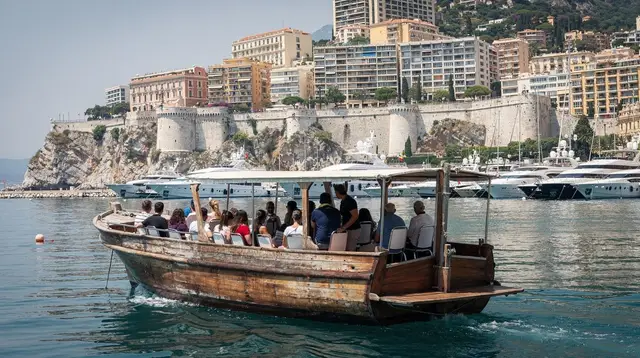
I think the worry comes from travel habits picked up elsewhere — plenty of destinations really do require bottled water, and it’s smart to default to caution when you’re not sure. But France isn’t one of those places, and neither is Monaco, even though it’s a separate, sovereign country. Monaco runs on the euro, shares a border with no passport control, and has the same everyday infrastructure as the towns around it, including safe tap water. If you’re spending a day in Monaco and Monte-Carlo, you don’t need to switch to bottled water just because you’ve crossed into a different country for the afternoon.
The other source of confusion, honestly, is that tap water here can taste a little different from what you’re used to at home. France’s water is mineral-rich and it varies by region, so what comes out of the tap in Nice doesn’t taste identical to water in Paris or Lyon, let alone water from another country entirely. A different taste isn’t a safety flag. If it’s not to your liking, that’s a preference thing, not a reason to avoid it.
What I actually do about it
In practice, I carry a reusable bottle and refill it wherever I am — at the apartment, at a café if I ask nicely, at the tap in a museum bathroom. I don’t buy bottled water out of caution; if I buy it, it’s because I’m out and want something cold, not because I don’t trust what comes out of the tap. That’s really the whole practical answer: treat Nice tap water the way you’d treat tap water at home, assuming home is a place where you don’t think about it.
One thing I will say is that the decorative fountains you’ll pass around Cours Saleya and the old town aren’t necessarily drinking fountains. Most are ornamental. If a fountain is meant for filling bottles, it’s usually marked eau potable; if you don’t see that, don’t assume it’s the same as your kitchen tap. When in doubt, a café will usually let you top up a bottle, especially if you’re a paying customer.
Why hydration actually matters here
Where I’d genuinely nudge you to pay attention isn’t the safety of the water — it’s how much of it you’re drinking. Summers on this stretch of coast, from June through September, run hot and dry, and the sun bouncing off the Baie des Anges and the pale stone of the old town makes it easy to lose track of how much you’re sweating. I’ve watched plenty of visitors power through a full day of walking between the Promenade des Anglais, Colline du Château, and the market on an iced coffee and not much else, and end up with a headache by 4pm that has nothing to do with the wine at lunch.
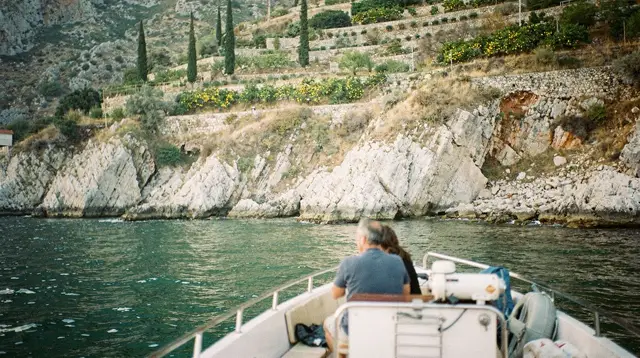
If you’re planning a day that includes a lot of sun — a walk up to Castle Hill, a stretch of beach time, or a boat trip along the coast — bring water with you and actually drink it, not just carry it. This is doubly true if you’re out on the water for a few hours; the sea breeze can mask how much sun and heat you’re absorbing. A morning on the water, like this sunrise boat trip along the Nice coastline, is a genuinely lovely way to see the Baie des Anges before the crowds and the heat build up, but it’s still hours outdoors, so pack water the same way you would for a hike. The same goes for a longer private boat tour along the Riviera coast — beautiful, but plan to drink more than you think you’ll need.
This isn’t meant to turn a simple practical question into a health lecture. The point is narrow: the water itself is fine, the heat is the actual variable worth managing, especially in peak summer when temperatures often sit in the high 20s to low 30s Celsius.
A quick note on what this page isn’t about
If you’re looking for guidance on service charges, whether to leave a tip, or how restaurant bills work here, that’s a separate topic — see the tipping and restaurant etiquette guide for that. This page is only about water and staying hydrated, not about what happens once the check arrives.
For the broader practical picture before you land — what to pack, common scams to watch for, and whether Nice is safe for tourists generally — those guides cover the rest of the groundwork. And if food is more your focus, the Nice food guide will tell you what to actually order once you’ve stopped worrying about the water in your glass.
Tap water and hydration questions
Is tap water safe to drink in Nice?
Yes. It’s treated and monitored the same way as tap water anywhere else in France, and locals drink it without a second thought.
Do I need to buy bottled water in Nice?
No, not for safety reasons. Some people prefer the taste of bottled water, and that’s a personal call, not a health precaution.
Is Monaco’s tap water also safe to drink?
Yes. Monaco uses the same euro currency and the same everyday comforts as France, including safe, drinkable tap water, even though it isn’t part of the European Union.
Can I refill a water bottle at fountains in Nice’s old town?
Most public fountains you’ll see around Vieux-Nice and Cours Saleya are decorative rather than drinking fountains, so unless one is clearly marked as eau potable, fill up at your accommodation or a café instead.
Why does the water sometimes taste different in Nice?
Mineral content varies from region to region in France, so tap water in Nice can taste slightly different from what you’re used to at home. That’s a taste difference, not a safety issue.
Should I drink more water because of the Riviera heat?
Yes. Summers here are hot and dry from June to September, and between walking Vieux-Nice, the beach, and midday sun, it’s easy to under-drink without noticing.
Is it safe to use tap water to make coffee or ice in a rental apartment?
Yes, tap water is fine for coffee, tea, ice cubes, cooking, and brushing your teeth throughout Nice and the rest of the Riviera.
tours.Practical
Verified deep-linked GetYourGuide tours. Book through these links and we earn a small commission at no cost to you.
GetYourGuide does not provide a product photo for this activity — the image shows the meeting point, photographed by us.